
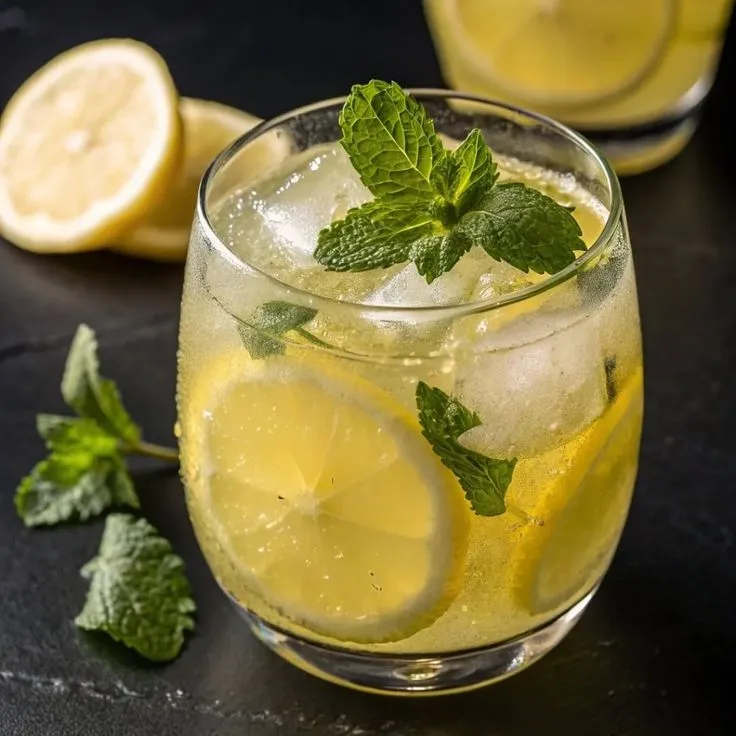
Color plays a huge role when making new drinks. It gives a beverage its main look and style long before a buyer takes that first sip. Mixed drinks like juice blends, clear waters, healthy drinks, milk mixes and specialty sips all need unique shades and mix plans. When picking the right food coloring for drinks, teams review the main look, liquid mix, shop heat, and shelf life to keep every bottle bright and steady.
Start With the Beverage Concept
The first choice of color should be based on the type of beverage. A citrus drink might be a bright yellow or orange, and berry drinks may be red, purple or darker.
The first thing manufacturers can do is determine the aesthetic outcome they desire. When comparing the variety of natural color sources and concentrations, the corresponding target shade will serve as a reference. Also, check the rest of the mix. Simple things like acid, sugar levels, and flavor traits can shift how your final color turns out.
Consider Yellow Shades for Beverage Development
Try yellow food coloring for drinks that need a bright, warm or fruit-like look. Drink makers often test light yellow, deep gold ,or warm orange shades to match their recipe needs.
If you want many yellow tones, real plant options like turmeric work great. The best choice relies on your drink base and your main visual goal.
Small lab runs let teams test mix strength up close. This helps crews hit the right shade that fits their main product plan.
Understand the Beverage Matrix
Each drink is unique, and this can affect the way the color works. During development, pH, acidity, clarity, ingredients, etc., can be relevant factors.
The company can test the chosen color directly, as opposed to in an isolated sample of an ingredient. This helps the developer to understand the interaction between the shade and the whole formulation.
Using various concentrations can also help to determine the intensity of the desired visuals and provide a practical reference for future production.
Evaluate Processing Conditions
Beverages can be subjected to various processes such as mixing, heating, cooling, filling and storage. The color chosen should be tested under the conditions it will be subjected to during production.
During the product trial, it is possible to reproduce key phases to get insights into the final product. This can be an aid to determining a suitable addition point and concentration.
Storage testing can also be provided to get helpful information. Beverage appearance under normal storage conditions can be observed and the formulation adjusted if needed.
Choose the Right Color Format
Natural color ingredients may come in various forms, and manufacturers should determine which form of natural color is appropriate to their beverage production. For some types of drinks, ingredients may be more easily supplied as liquids, or as powders for certain manufacturing systems.
The preferred format may vary according to equipment, ingredient handling, moisture factors and the desired method of dispersion. In-process testing during the actual production process can help developers know how easily the ingredient can be used.
Technical guidance is also available to help teams run a comparison to one or more of the beverage formats and determine which one is appropriate for their beverage.
Create a Consistent Beverage Appearance
When producing beverages commercially, consistency is important. After the manufacturing has made a choice of color and application method, it can be documented: the concentration, at what stage the color must be added, how the color is mixed and what color must be achieved.
Having a set of production specifications can help teams keep a uniform look in various batches. They can also serve as a source of reference for developing new beverages with similar color characteristics.
A uniform color strategy can be integrated into the overall product development process along with flavor, packaging, texture and ingredients.
Consider the Final Presentation
The final appearance should complement the overall beverage concept. Flavor positioning, product style and packaging can all work with color to present a unified appearance.
Manufacturers can then test the final product in realistic environments, such as the container it will go into and the places it will be served. This enables product teams to have a better understanding of how the chosen shade enhances the overall experience for consumers.
Conclusion
Choosing a color for beverage production calls for careful consideration of the beverage’s composition, desired color, processing conditions, format of ingredients and storage conditions. Careful testing can help manufacturers create an attractive and uniform appearance that will match the beverage concept. Looking for natural color options for your next drink formulation? Check out foodrgb.com and find suitable options to get your beverage development project moving towards production.
About the Author
