
Drink color changes the mood before the first sip even happens. That part is easy to forget when people talk only about flavor, sugar, or packaging. Still, the shade hits first. A drink that looks dull can feel flat. A drink that looks too bright can feel fake in a second. That is why food coloring for drinks matters more than some brands expect. It is not just a visual extra. It shapes the whole first reaction in a very quiet but strong way.
Color has to survive more than one simple test.
A sample in a clear cup is one thing. Real production is something else completely. Drinks go through mixing, filling, storage, transport, and shelf time, and color has to stay steady through all of it. That is where food coloring for drinks becomes a technical decision, not just a creative one. If the shade shifts too much under light or heat, the product starts losing consistency. Buyers notice visual changes even when they do not know exactly what looks different.
Black carrot keeps coming up for a reason.
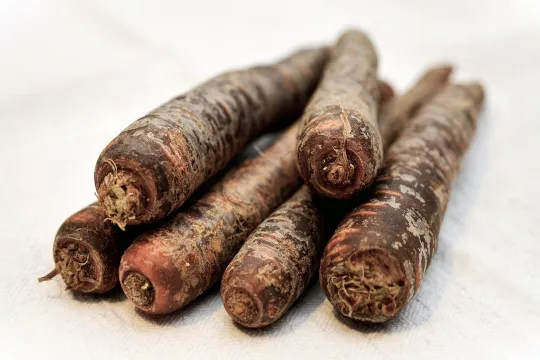
Some color sources stay popular because they solve a practical problem without making the label feel strange. Black Carrot color is one of those ingredients. It is often used for red, purple, or deeper berry-like shades in beverages. The final result depends on the formula, obviously, but it can offer a more natural-looking appearance than louder synthetic options. That softer, richer tone works well in drinks where brands want color that feels real and still looks attractive on a shelf.
Beverage formulas can make color unpredictable.
This is where people usually slow down and start testing more carefully. Acidity, sugar level, processing temperature, and packaging all affect performance. Even the same ingredient may behave differently in sparkling drinks, juice blends, sports beverages, or syrups. Food coloring for drinks has to fit the formula, not just the brand mood board. Black Carrot color can perform very well, though it still needs proper evaluation in the actual beverage system instead of just a small lab sample.
Cleaner labels changed what brands now prefer.
A few years back, many drink makers mostly chased bold and flashy shades. Things shifted. Now, more companies want ingredient names that feel easier to explain and easier for customers to accept. That is one reason Black Carrot color gets attention. It sounds closer to food, which matters when labels are read more carefully than before. Food coloring for drinks now connects with product positioning, too. The choice is not only about the look. It is also about what the ingredient list says.
Loud color is not always the better choice.
There is still this idea that a stronger color automatically means better shelf appeal. Sometimes that works, but not always. A drink can look more premium when the shade feels balanced instead of overly dramatic. Soft purple, berry red, or dark fruit tones often create a better impression than something glowing unnaturally in the bottle. That is where Black Carrot color quietly works well. It can help beverages look more believable, and that matters when people want products that feel less artificial overall.
Conclusion
Choosing beverage color should be treated like a real product decision, not a last-minute visual fix after the recipe is done. At foodrgb.com, businesses can explore ingredient options with more focus on drink stability, cleaner labels, and practical shade selection for modern beverage categories. Good food coloring for drinks should support the formula without creating extra problems in production or storage. The black carrot color will still be relevant in brands that require a deeper and natural appearance with a more familiar ingredient orientation. Look closely into your beverage requirements and select color solutions that are indeed appropriate to your product objectives.
About the Author
